Inclusive Dance Performance for the International Day of Persons with Disabilities at the National Opera and Ballet in Skopje
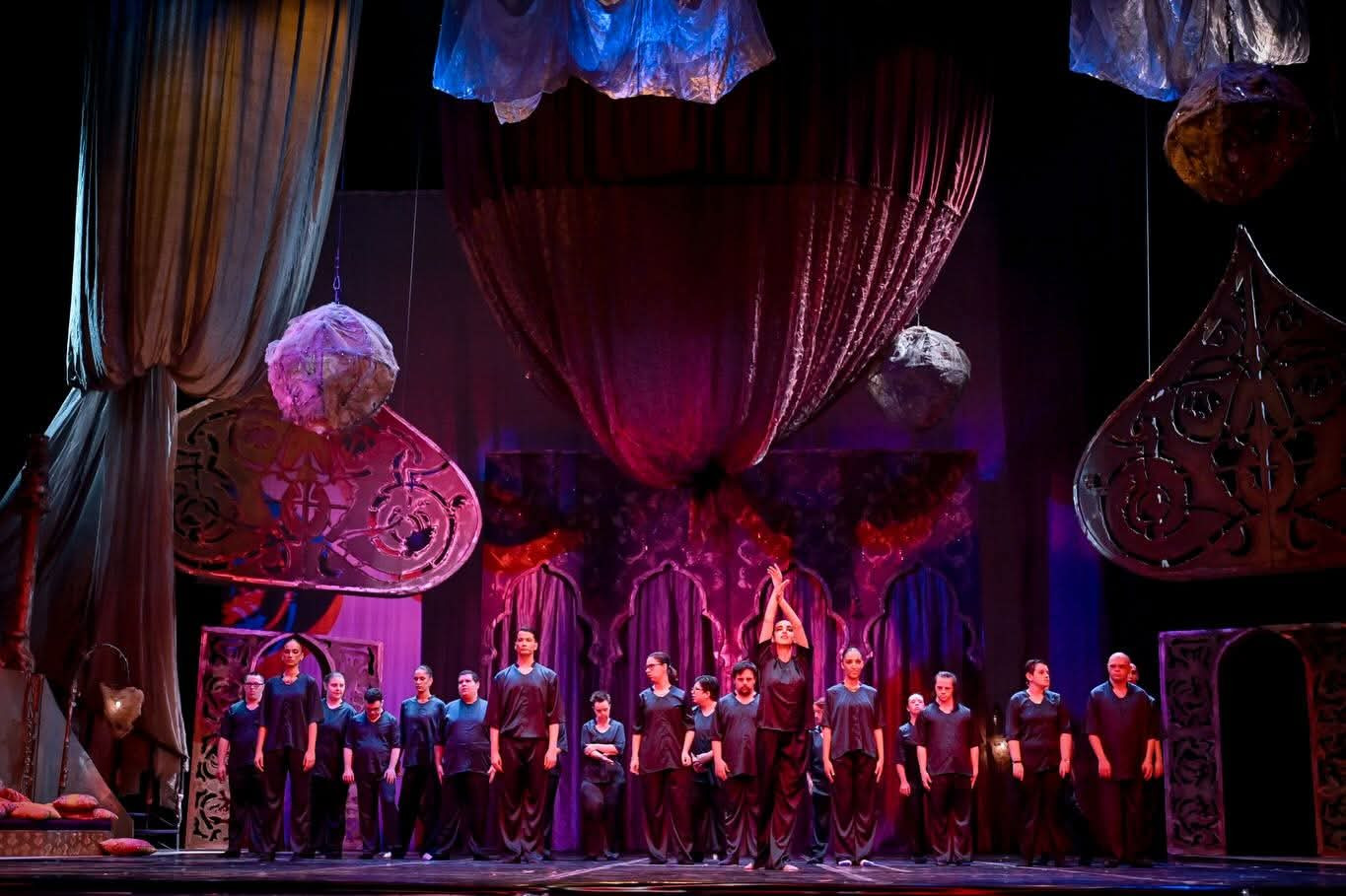
On December 3, 2025, students from the second year of the Department of Psychology attended an inclusive dance performance organized to commemorate the International Day of Persons with Disabilities. The purpose of this event was to promote awareness of disability-related issues, encourage inclusive cultural participation, and highlight the contributions of people with disabilities in the performing arts. The program featured a series of choreographed and semi-improvised pieces performed by dancers both with and without disabilities. The performance employed contemporary dance techniques and demonstrated the effective use of adaptive choreography to accommodate a range of physical, sensory, and developmental differences. The event was conducted professionally, emphasizing collaborative participation and respect for individual capabilities.
The performance provided clear illustrations of several concepts relevant to the field of psychology:
- Social Inclusion and Intergroup Relations: The integrated nature of the performance aligned with principles of positive intergroup contact, demonstrating how shared goals and equal-status cooperation can contribute to reduced stigma and improved attitudes toward individuals with disabilities.
- Resilience and Well-Being: The performers’ engagement reflected themes of resilience, self-efficacy, and the importance of supportive environments in fostering psychological well-being.
- Perceptions of Disability: Audience responses suggested that inclusive artistic events may play a significant role in reshaping perceptions of disability and challenging prevailing societal stereotypes.
Attendance at this event enhanced students’ understanding of the practical application of psychological theories related to inclusion, diversity, and human development. It underscored the significance of creating accessible cultural spaces and the potential impact such initiatives can have on public attitudes and community cohesion.
After this visit, students concluded that the inclusive dance performance constituted a meaningful and educational experience that complemented their academic studies. It effectively demonstrated how inclusive practices in the arts can contribute to broader social goals of equality, participation, and respect for diversity. Professor Natasa Angjeleska hopes that this event reinforced their commitment to applying psychological principles to support individuals with disabilities across community and institutional contexts.